Plumbers, Gasfitters
and Drainlayers Board


Self-certification
Self-certification for plumbing and drainlaying
Certifying plumbers and certifying drainlayers can apply for the self-certification endorsement through the Trade Login.
Self-certification is not automatically applied to your licence. Certifying plumbers and certifying drainlayers must first obtain a self-certification endorsement from the Board before self-certifying work.
Webinar: How to get started in self-certification - 8 September 2026
Questions and answers from the webinar.
Stay up to date
Subscribe to Info Brief, the Board's monthly newsletter, to stay up to date or listen to the Board's podcast for practitioners, Safe and Skilled.
If you have any questions about the self-certification scheme please contact the Board at self-cert@pgdb.co.nz

Information for practitioners
To apply for self-certification endorsement from 7 September 2026 you must:
- Hold a current certifying plumber or certifying drainlayer licence
- Complete the Board's online self-certification training
- Have appropriate insurance
- Have appropriate business systems and recordkeeping processes
- Pay the application fee and audit levy of $2,260.
Information for homeowners and consumers
If your plumbing or drainlaying work needs a building consent, certain work can be signed off in one of two ways. It can either be inspected by a building consent authority (BCA), usually your local council, or, as of September 2026, self-certified by an endorsed plumber or drainlayer.
Self-certification does not remove the requirement to obtain a building consent. It changes how certain plumbing and drainlaying work is checked and certified, allowing an endorsed plumber/drainlayer to certify eligible work instead of the building consent authority inspecting that work. Not all plumbing and drainlaying work is eligible for self-certification. The scheme generally applies to eligible work in buildings of up to three storeys, but excludes certain types of buildings and work, including apartment buildings. More information on what work can be self-certified is available on the Ministry of Business, Innovation and Employment (MBIE) Building Performance website.
As the building consent owner, you can choose between self-certification and the BCA inspection process for eligible work. An endorsed plumber/drainlayer cannot decide to self-certify work without your consent. Before deciding, we recommend reading MBIE's guidance for homeowners and consumers to understand how the two processes differ and what they mean for your project. It’s important to be well informed before you apply for a building consent. You should discuss the process, responsibilities and implications with your plumber/drainlayer before agreeing to proceed.
Under self-certification, the endorsed plumber/drainlayer is responsible for certifying that the work complies with the relevant building act requirements. The BCA does not carry its usual inspection process.
Building consent requirements
If you intend to use self-certification, this must be identified in your building consent application. Your application needs to:
- list the plumbing or drainlaying work proposed to be self-certified
- provide the name and registration number of the endorsed plumber or drainlayer, if known.
You do not need to have selected your endorsed plumber/drainlayer when you apply for building consent. However, you must provide their name and registration number to your BCA before the work begins.
What if the building consent has already been issued?
If your building consent does not provide for self-certification, you will need to apply for a change to the consent before the relevant work can be self-certified. This may involve additional time and costs. Discuss your options with your BCA before proceeding.
Before you engage a plumber or drainlayer
Only certifying plumbers and certifying drainlayers who hold an endorsement from the Board can self-certify eligible work. Endorsed plumbers/drainlayers s must meet additional requirements, including completing specific training and holding appropriate insurance. Before engaging a plumber or drainlayer, we recommend that you check that:
- The plumber/drainlayer is endorsed for self-certification. Visit our public register, select Advanced Search and tick Endorsed Practitioner.
- Your work is eligible for self-certification. Ask the plumber/drainlayer or the BCA.
- Confirm that the plumber/drainlayer holds appropriate insurance for the work they will be carrying out or supervising.
- Ask the plumber/drainlayer about their insurance cover, including what it covers, any exclusions and how a claim would be made if something goes wrong. Holding insurance does not necessarily mean every defect or loss will be covered.
Once the work is completed
When your plumbing or drainlaying work has been self-certified:
- Keep the Certificate of Compliance and supporting documents issued by your endorsed plumber/drainlayer.
- Make sure the Certificate of Compliance is included in the application for a Code Compliance Certificate.
- Keep the Code Compliance Certificate issued by your BCA with your property records.
What if something goes wrong?
If you discover defects or problems with plumbing or drainlaying work that has been self-certified, there are several steps you can take.
1. Contact the plumber or drainlayer
Contact the plumber/drainlayer who carried out the work, explain the problem and ask them to put it right. We recommend raising your concerns in writing and keeping a record of any correspondence.
2. Make a formal complaint to the Board
You can make a formal complaint to the Plumbers, Gasfitters and Drainlayers Board if you have concerns about a plumber/drainlayer’s work or conduct. The Board can investigate complaints and take regulatory or disciplinary action where appropriate under the Plumbers, Gasfitters, and Drainlayers Act 2006.
The Board's role is to regulate practitioners and protect the public, rather than resolve contractual or financial disputes between homeowners and practitioners.
However, the Board cannot require a plumber/drainlayer to rectify defective work, provide a refund or pay compensation. Making a complaint to the Board does not mean the defective work will be repaired. Visit our complaints page for more information.
3. Contact the plumber's or drainlayer's insurer
Plumbers and drainlayers endorsed for self-certification are required to hold appropriate insurance. You can ask the practitioner for their insurer's details and enquire about making a claim. Whether a claim is covered will depend on the circumstances and the terms of the insurance policy.
For more information about your rights, consumer protections and options for resolving problems with building work, visit MBIE's Resolving problems guidance.
Check a property
Search the self-certification public property register to find a property and view Certificates of Compliance issued by endorsed plumbers or drainlayers under the self-certification scheme (Building Act 2004).
Webinars
Webinar: How to get started in self-certification - 8 September 2026
Questions and answers from webinar 3
Webinar: Self-certification for plumbing and drainlaying - 18 May 2026
Questions and answers from webinar 2
Webinar: Self-certification for plumbing and drainlaying - 17 November 2025
Questions and answers from webinar
Consultation - June 2026
The Board would like to thank all those who took the time to provide their feedback and respond to the Self-certification: proposal on endorsement requirements, conditions, fees, and audit levy from 24 June to 13 July 2026.
The Board received 170 submissions, which were carefully considered when finalising the details of the endorsement settings, application fee and audit levy.
An outcome of the consultation, including a summary of the feedback received, has been published.
The Notice is now also published.
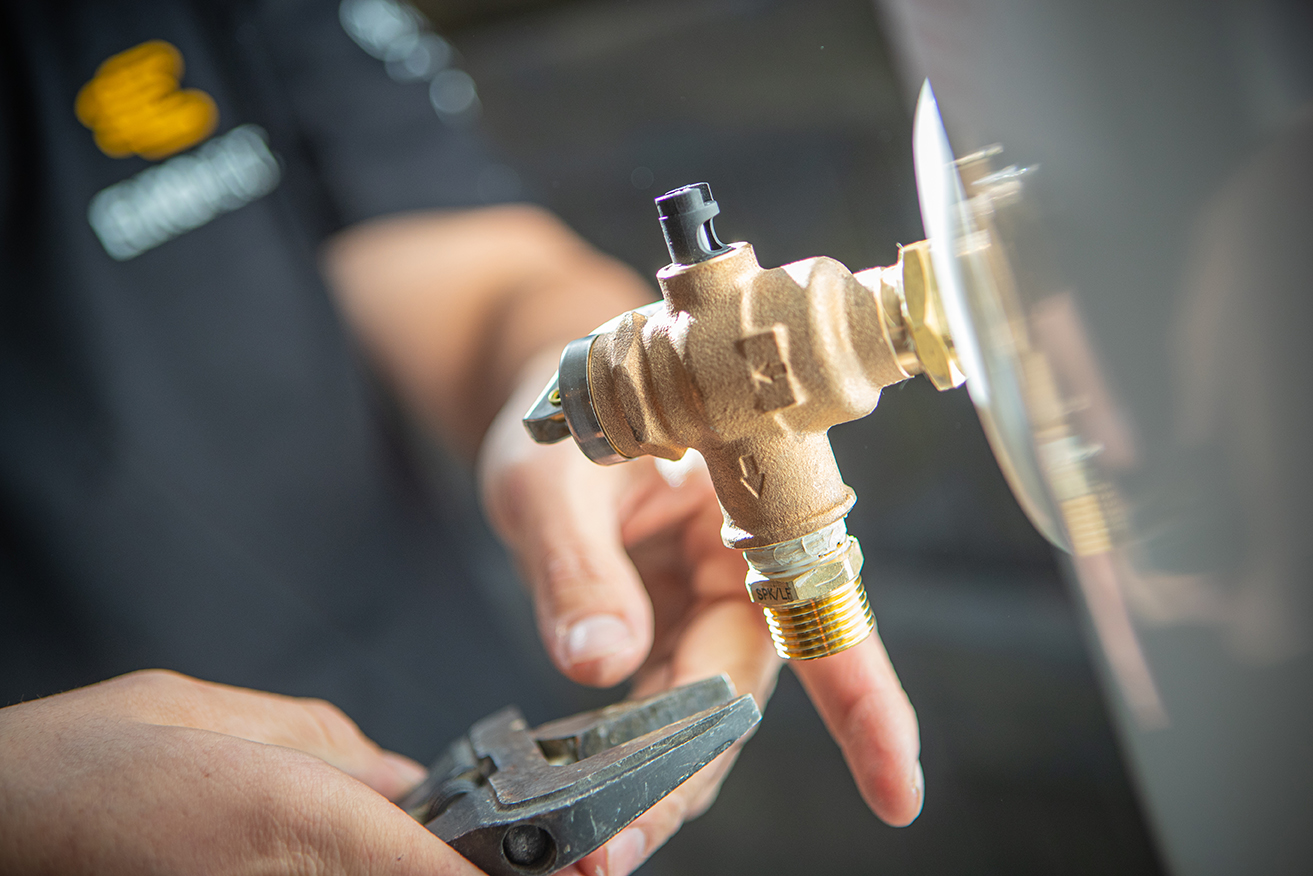
Self-certification for plumbing and drainlaying starts 7 September 2026
31 August 2026
Webinar: How to get started in self-certification
Register for the 8 September 2026 webinar